

| Key Takeaways |
|---|
| A balanced diet for weight loss focuses on whole, nutrient-dense foods in the right portions. |
| Research from 2025 shows people can lose 9–26 pounds over 16–52 weeks with a balanced approach. |
| The best diets limit sugar and processed foods while prioritizing vegetables, grains, lean proteins, & fiber. |
| Following a balanced diet is linked to lower risks of heart disease, diabetes, and regaining lost weight. |
| Combining healthy eating with exercise, sleep, and stress management delivers the highest success rates. |
A balanced diet for weight loss is more than just cutting calories—it’s about fueling your body with the right mix of nutrients, food groups, and habits to create lasting, healthy change. At Fit Better Life, we believe in empowering everyone to make smarter choices and unlock their best selves, using real food and evidence-based habits. In this article, we’ll break down what a balanced diet for weight loss means, why it works, and how you can start seeing real results—starting today.
What Is a Balanced Diet for Weight Loss?
A balanced diet for weight loss is an eating plan that provides all the nutrients your body needs—all while helping you lose excess weight safely and steadily. This approach means eating from all food groups (vegetables, fruits, grains, proteins, and healthy fats) in the right proportions, controlling calories, and avoiding extreme restrictions or “miracle” diets.
Unlike crash diets or fads, which focus on eliminating whole food groups or encouraging drastic calorie cuts, a balanced diet is about variety and moderation. You still get to enjoy different kinds of foods, but the majority of your calories should come from whole, minimally processed sources. Research shows that people who follow balanced, sustainable eating patterns are more likely to keep the weight off for good.
Want to learn how to analyze nutrition labels to make better food choices? Check out our guide:
Unlock The Secrets Of Nutrition Labels: Your Health Key.
Why Choose a Balanced Diet for Weight Loss?
The Science and Benefits
Trying to lose weight is one of the top goals for millions of Americans each year. According to a 2025 national survey, nearly half of U.S. adults plan to start a new diet, but only a minority succeed long-term. Why? Research shows the most common reason people give up is that the plan is too restrictive or not sustainable for real life.
A balanced diet for weight loss is proven to work. The latest studies show people can lose between 9–26 pounds over 16–52 weeks—without feeling starved or deprived. This is because balanced diets are filling, provide lots of fiber and protein, and let you enjoy a range of foods.
Other major benefits:
- Lowers risk for diseases like heart disease and diabetes
- Stabilizes blood sugar and energy levels
- Reduces cravings for junk food
- Makes it easier to manage stress and sleep
Expert recommendations, like the DASH diet and the Mediterranean diet, consistently rank as the best for both weight control and overall health. These diets are rich in vegetables, grains, healthy fats, and lean proteins.
Want more tips for healthy eating? Visit our resource:
Top 10 Tips For Healthy Eating In 2024.
What Does “Balanced” Really Mean?
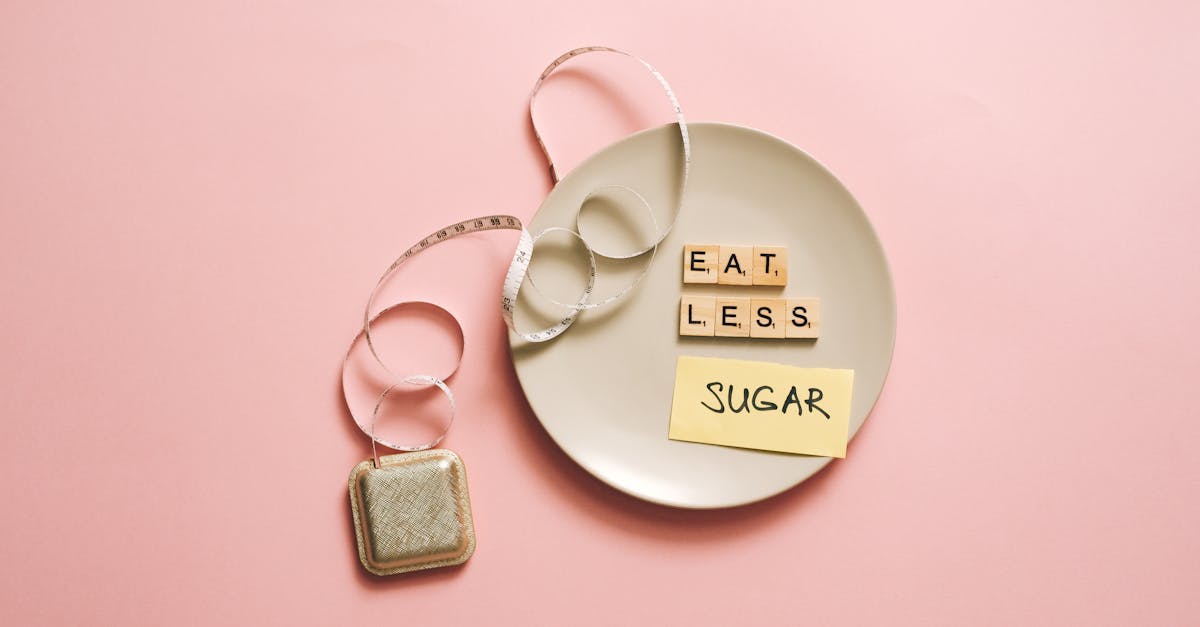
A balanced diet for weight loss follows guidelines based on science, not trends. Here’s what it looks like on the plate:
The Basic Plate Breakdown
| Food Group | Percentage of Plate | Examples |
|---|---|---|
| Non-starchy Veggies | ~40% | Broccoli, leafy greens, bell peppers |
| Lean Protein | ~25% | Chicken, fish, tofu, eggs, beans |
| Whole Grains/Starch | ~25% | Brown rice, quinoa, oats, whole wheat |
| Fruits | 5–10% (as a side) | Apples, berries, oranges |
| Healthy Fats | Remainder (small) | Olive oil, nuts, avocado |
Most of your calories should come from foods that grow from the ground (plants), with a moderate amount from animal or plant-based proteins. Processed foods and sugars should make up a very small part of your total intake.
4.1 Carbohydrates: The Right Kinds Make a Difference
Carbs are not the enemy! The key is to pick whole carbs—like brown rice, oats, beans, and fresh fruit—over processed grains and sugar. Whole carbs are packed with fiber, which helps you feel full and supports good digestion.
4.2 Protein: More Than Just Meat
Protein helps preserve muscle while you lose fat, but that doesn’t mean you have to eat steak at every meal. Eggs, dairy, beans, tofu, lentils, and fish are amazing protein sources. Mixing plant and animal sources can help you keep calories in check.
4.3 Healthy Fats: The Secret Ingredient
You need some fat for brain health and hormone production. Stick to healthy, unsaturated fats, such as avocado, olive oil, and nuts—these help keep you satisfied and have heart-health benefits.
How to Build a Balanced Diet for Weight Loss – Step by Step
Looking for a roadmap? Here’s how to get started:
1. Set a Realistic Weight Goal
Aim for 1–2 pounds of weight loss per week. This pace is safe and sustainable, lowering your risk of regaining lost weight.
2. Plan Your Meals Around the Plate Model
At each meal, fill half your plate with non-starchy vegetables, one fourth with lean protein, and one fourth with whole grains or a starchy veggie.
3. Choose Smart Snacks
Pick snacks that combine a bit of healthy fat, fiber, and protein—like sliced apples with peanut butter, low-fat Greek yogurt, or hummus with carrots.
4. Read Nutrition Labels and Watch Portions
Watching portions is key—even healthy foods can add up. Need help with reading food labels? See our guide:
Unlock The Secrets Of Nutrition Labels: Your Health Key.
5. Adjust for Your Lifestyle or Preferences
A balanced diet can work if you’re vegetarian, vegan, gluten-free, or have other needs—just swap out foods that fit your life.
Bonus Tip: Manage cravings by eating plenty of fiber and protein. Drink water before meals and between snacks to stay full.
If you want to master calories without the stress, check out our step-by-step resource:
Calorie Counting For Beginners: A Comprehensive Guide.
Best and Worst Choices: What to Eat and What to Limit
Green Light Foods (Enjoy often):
- Leafy greens, broccoli, carrots, tomatoes
- Berries, apples, oranges
- Brown rice, quinoa, whole grain bread
- Chicken, beans, eggs, tofu
- Plain yogurt, cottage cheese
- Olive oil, nuts, seeds
Yellow Light Foods (Limit to moderate amounts):
- Cheese, milk, cream
- Starchy veggies (potatoes, peas, corn)
- Bread, pasta (even whole grain)—stick to serving sizes
- Salad dressings, sauces (watch for sugar/fat)
Red Light Foods (Limit as much as possible):
- Soda, juice drinks, energy drinks
- Sweets, cakes, cookies
- Fast food, fried foods, processed meats
- Chips, crackers, packaged snacks
For more ways to upgrade your habits:
Healthy Lifestyle Changes For Sustainable Weight Loss
Sample Balanced Diet for Weight Loss: Meal Plans, Grocery Tips & Recipes
A balanced diet for weight loss isn’t complicated. Here’s a sample one-day meal plan (about 1,600–1,800 calories):
Breakfast:
- 1 cup oatmeal topped with berries and 1 tbsp chopped walnuts
- 1 boiled egg
- Water or black coffee
Snack:
- Nonfat Greek yogurt and a small apple
Lunch:
- Grilled chicken breast (3–4 oz)
- 1 cup roasted vegetables
- ½ cup quinoa
- Mixed greens, lemon vinaigrette
Snack:
- 12 baby carrots with 2 tbsp hummus
Dinner:
- Baked salmon (or tofu)
- 1 cup steamed broccoli
- ½ baked sweet potato
Dessert (optional):
- Small serving fresh fruit
Grocery Shopping Tips
- Shop primarily in the outer aisles (produce, meat, dairy).
- Read labels for added sugars and sodium.
- Prep your veggies and proteins ahead on weekends for easy meals.
Family & Meal Prep Hacks
- Make double batches and freeze leftovers
- Use slow-cooker for healthy stews or chili
- Let everyone build their plate with healthy options
Why Physical Activity & Lifestyle Habits Matter
Exercise: The Perfect Partner to Balanced Diet for Weight Loss
Physical activity helps you lose fat instead of muscle, boosts metabolism, and reduces stress. You don’t have to join a gym or become a marathon runner—simple daily movement adds up.
- Strength training (like bodyweight exercises or lifting weights) helps you keep muscle and increase metabolism.
- Cardio (walking, cycling, jogging) aids in burning extra calories.
- Everyday movement—like taking the stairs or gardening—counts too.

Sleep, hydration, and managing stress also play a big role in success. People who get enough sleep and find ways to handle stress (like yoga or meditation) are more likely to reach their goals.
Need help starting exercise at home? Check our guide:
Kickstarting Your Fitness Journey From Home: A Beginners Guide
Real-Life Results: Balanced Diet Success Stories and Data
Studies consistently show that people who switch to a balanced diet for weight loss see big results—without harsh restrictions or deprivation.
- The BROAD Study (2025) found that people struggling with overweight lost an average of 26.6 pounds in 6 months by focusing on plant-focused, balanced meals—with most keeping the weight off for a year. In the control group, weight barely budged.
- A government nutrition update in 2025 saw balanced eaters reduce their BMI by 4.4 points and show big improvements in blood markers like cholesterol and sugar.
- Only about 21% of Americans say they eat ‘very healthy.’ But those who start small, build new routines, and stick to balanced meal patterns are the most likely to keep the weight off for years.
Frequently Asked Questions on Balanced Diet for Weight Loss
How do I get started?
Begin by making small swaps—choose whole grains, add more veggies, stick with lean protein, and cut back on soda, sweets, and fried foods. Plan your meals and snacks, and don’t be afraid to try new recipes.
Do I need to give up all carbs?
No! Whole, unprocessed carbs like brown rice, beans, and fruit are important. The key is to avoid added sugars and refined grains as much as you can.
Can I follow this diet if I’m vegetarian or vegan?
Yes. Balanced diets work for everyone. Choose a mix of plant protein (tofu, beans, lentils, nuts), lots of veggies, fruits, and healthy oils.
How do I overcome a plateau?
If your weight stalls, try tracking portions, reducing extra snacks, bumping up activity, or swapping to lower-calorie foods.
Do I have to count calories?
Not always, but it helps at first. Many people find focusing on portions and food quality is enough for steady progress.
Is this safe for diabetes/high blood pressure?
Yes, most balanced meal plans (rich in veggies, fiber, low in added sugars) help manage blood sugar and pressure. Always check with your doctor before making big changes.
Common Challenges and How to Beat Them
- Cravings for Sweets: Enjoy fruit or mix Greek yogurt with berries instead of reaching for candy.
- Boredom: Try new veggies, swap recipes, or get creative with herbs and spices.
- Eating Out or Parties: Check menus in advance, start with a salad, drink water, and split entrees.
- Setbacks: Don’t give up! Everyone slips sometimes. Refocus on your next meal and remember progress, not perfection.
Final Thoughts & Next Steps
A balanced diet for weight loss is your ticket to lasting results—no gimmicks, no starving, no trendy “superfood” required. Fill your plate with real, whole foods. Move your body in ways you enjoy. Stay patient, and focus on progress, not perfection. At Fit Better Life, we’re here to help you every step of the way.
Want more insights and the latest on healthy, sustainable weight loss? Bookmark us!