



Key Takeaways
| Strategy | Why It Matters | Action Steps |
|---|---|---|
| Mindful movement & exercise | Boosts mood, reduces anxiety, and supports brain health | Try yoga, daily walks, or gentle exercise |
| Daily wellness routines | Fosters resilience and self-awareness | Gratitude journaling, mindful breathing, dedicated downtime |
| Stress reduction | Lowers harmful hormones, protects mental and physical health | Use stress-reducing exercises and breath work |
| Meditation & mindfulness | Helps manage thoughts, reduces negativity and distraction | Practice simple meditation and grounding techniques |
| Social connections | Vital for emotional support and long-term well-being | Build quality relationships and seek support as needed |

Introduction
Mental health is just as important as physical health, yet it’s often overlooked or misunderstood. In 2024, over a billion people globally are living with mental health conditions, and services everywhere are under strain to meet growing needs. Studies show mental health shapes how we think, act, connect, learn, and work.
At Fit Better Life, we believe small, intentional choices every day can make a powerful difference for your emotional and psychological well-being. In this comprehensive guide, we explain what really works—offering practical, research-backed tools, and examples from real life to help you improve your mental health step by step.
Understanding Mental Health
Mental health refers to our emotional, psychological, and social well-being. It affects how we handle stress, relate to others, and make decisions. Mental health is a spectrum: we all have ups and downs, and everyone can benefit from strategies that foster mental resilience.
What Influences Mental Health?
- Biological factors: Genetics, brain chemistry, hormones.
- Life experiences: Trauma, stress, adversity in childhood or adulthood.
- Social factors: Connections with family, friends, and the wider community.
- Lifestyle choices: Sleep, physical activity, nutrition, and digital habits.
Even positive life changes—new jobs, moving, becoming a parent—can affect our mental health. According to recent evidence, the best strategies go beyond just treating problems; they help us build skills and environments that keep us strong in the first place.
Spotting Signs of Declining Mental Health
Common signs include:
- Feeling sad, anxious, or irritable for weeks at a time
- Trouble sleeping or sudden changes in appetite
- Withdrawing from friends and family
- Low energy or feeling “numb”
- Difficulty concentrating
- Thoughts about self-harm or suicide
If you notice these signs in yourself or others, reaching out early makes a big difference.
The Power of Mindful Movement
Physical health and mental health are deeply connected. Exercise is one of the most effective, accessible tools to improve mood, energy, and resilience.
How Movement Helps
- Increases natural mood-boosting chemicals (endorphins, dopamine)
- Reduces stress hormones like cortisol
- Supports quality sleep and energy regulation
- Makes us feel accomplished and capable
A recent review by mental health researchers confirmed that people who exercise regularly report lower rates of depression and anxiety—even modest activity, such as walking 30 minutes most days, can help.
Yoga for Stress Relief
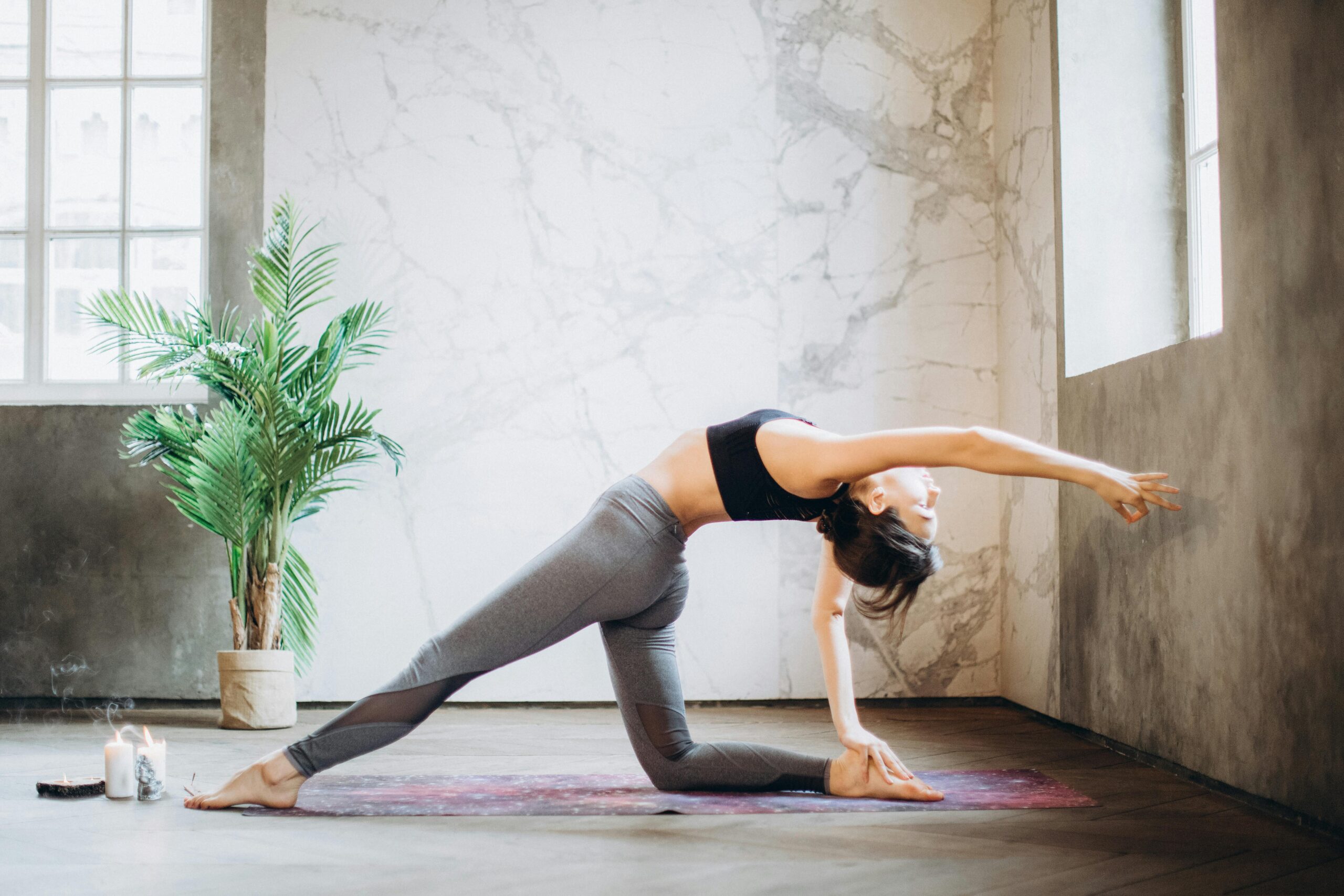
Yoga provides both physical movement and calming mental focus. Studies show yoga can reduce anxiety, lower blood pressure, and improve overall well-being. And it’s adaptable—you don’t need fancy gear or flexibility to get started.
Try this to begin:
- 5 minutes of deep breathing in a comfortable sitting or lying position
- Gentle stretches for your neck, arms, and back
- Basic yoga poses, such as child’s pose, cat-cow, or seated twist
For a complete beginner’s guide, read our in-depth page:
Easy Yoga For Stress Relief: A Beginners Guide
Embracing Daily Mental Wellness Practices
Mental health is built with daily habits that nurture calm and foster self-awareness. These do not need to be complicated; consistency is the key.
Best Practices
- Gratitude journaling: Write down three things you’re thankful for each day.
- Self-reflection: Spend time thinking about your feelings or challenges.
- Nature walks: Evidence shows spending time outside, even briefly, supports mental health.
- Digital breaks: Regular time away from screens helps reduce anxiety and improve attention.
Start small—choose one habit and commit for a week, reflecting on how it feels. Tiny steps lead to powerful change.
For more ideas, visit:
Embracing Mental Wellness Practices: A Guide For Everyone
Stress Reduction Techniques
Everyone experiences stress, but chronic stress can harm both body and mind. Recent studies highlight that too much stress increases the risk of anxiety, depression, heart disease, and more. Building a toolkit to manage stress is vital for long-term mental health.
Understanding Stress
Stress is our body’s reaction to threats, demands, or pressure. A little stress helps motivate us—but when stress is constant, it becomes harmful.
Signs of Stress Overload:
- Muscle tension or headaches
- Trouble focusing
- Sleep disturbances
- Feeling overwhelmed or easily upset
Effective Stress-Reducing Exercises
- Box breathing: Breathe in for four counts, hold, breathe out for four, hold again. Repeat several times.
- Progressive muscle relaxation: Tighten then release muscle groups starting from your toes, moving up to your head.
- Mini movement breaks: Stand, stretch, or do a brisk walk to reset body and mind.
For step-by-step routines, see:
Stress Reducing Exercises: Your Path To A Calmer Life
The Art of Meditation and Mindfulness
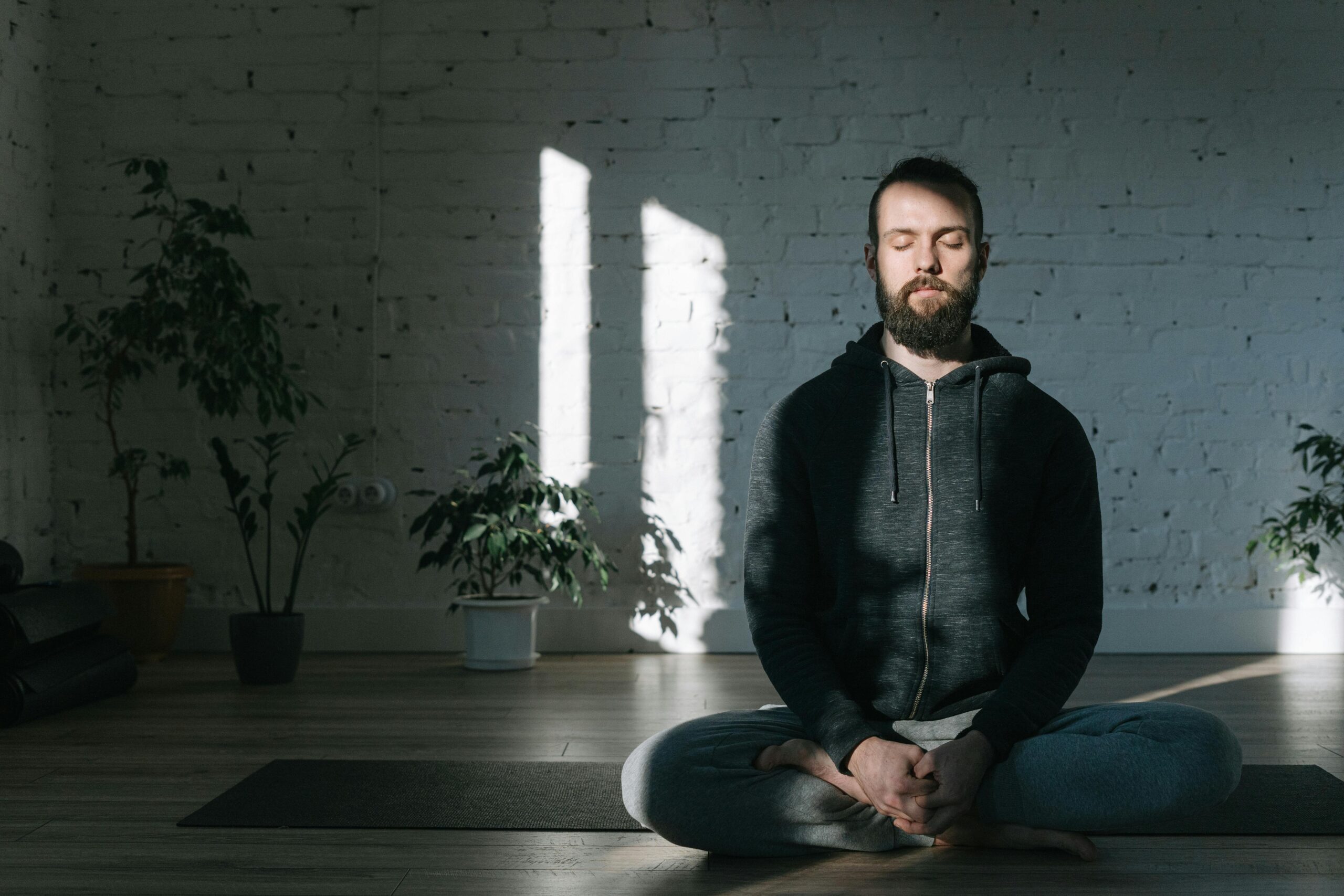
Meditation is learning to focus your attention and calm your mind. Mindfulness—the practice of being fully present in the moment—helps break cycles of worry and negative thinking.
What is Meditation?
Meditation can be:
- Sitting quietly, following your breath
- Observing sounds, feelings, or body sensations
- Using a guided meditation audio or app
Benefits:
- Lowers anxiety and depressive symptoms
- Improves concentration and decision-making
- Builds self-compassion
Getting Started with Meditation
- Sit or lie comfortably.
- Close your eyes. Take slow, deep breaths.
- Focus attention on breathing and notice thoughts as they come—let them float away.
- Start with 3-5 minutes, building up over time.
For a full guide:
Paths To Peace: A Guide To Simple Meditation Techniques
Physical Health and Its Influence on Mental Wellness
What we eat, how we sleep, and how we move powerfully shape our mental health. Here’s how to optimize your body to support your mind:
Nutrition
- Balanced diet: Protein, healthy fats, fiber, and vegetables feed your brain.
- Omega-3s: Found in fish, flax seed, and walnuts, linked to lower depression.
- Stay hydrated: Dehydration can cause fatigue, irritability, and trouble focusing.
- Limit ultra-processed foods: These are associated with increased risk of depression and anxiety.
Sleep
- 7-9 hours per night: Essential for processing emotions, building memory, and healing body and mind.
- Sleep routines: Go to bed and wake up at the same time, keep screens out of bedrooms.
Sunlight and Nature
- Light exposure boosts mood and regulates sleep.
- Even short walks outdoors can provide mental benefits.
Social Connection and Support Systems

Loneliness is as harmful as smoking or inactivity. We flourish when we feel supported, heard, and cared for.
Building Relationships
- Prioritize regular catch-ups with friends or family.
- Join groups, sports teams, or classes based on hobbies.
- Volunteer—helping others is a proven way to support your own mental health too.
Asking for Help
Don’t wait for a crisis. If you’re struggling, talk to someone. Many workplaces and communities offer support groups or counseling services.
- Asking for help shows strength, not weakness.
- Support can be found in person or online—and sometimes people outside of your immediate circle can provide powerful insight or relief.
Integrating Mind and Body: The Future of Wellness
The best approach to mental health is holistic—it’s not one-size-fits-all or a single technique. Integrating movement, social connection, mindfulness, and healthy routines creates the largest positive impact.
We recommend trying a “mental health week,” where each day focuses on one key area, such as gentle exercise, gratitude, meditation, healthy nutrition, connecting with someone new, and reflecting on progress.
For an in-depth perspective on combining body and mind for powerful results, see:
Nurturing Mind And Body: Mental Health And Fitness Fusion In 2024
Building Your Mental Health Action Plan
Taking control of your mental health means making a plan tailored to you. Here’s how to get started:
1. Assess Where You Are
- Notice your current routines—sleep, meals, exercise, digital time.
- Identify areas that feel stressful or draining.
2. Set Realistic, Measurable Goals
- “I’ll take a 10-minute walk three times this week.”
- “I’ll call a friend every Sunday.”
- “I’ll try one new stress-reducing exercise.”
3. Track Progress
- Use a journal or an app. Celebrate small wins—progress is rarely linear.
4. Use Available Resources
- Many digital tools, community centers, and employers now offer support for mental health. Explore what’s in your area, check your local library, or ask your healthcare provider for recommendations.
Conclusion & Further Resources
Improving mental health is not a one-time fix; it’s a journey, built with deliberate choices and support along the way. By moving our bodies, connecting with others, caring for ourselves with simple habits, and seeking help when needed, we collectively build resilience for today and the future.
For more expert advice and step-by-step practical strategies, don’t forget to review our page:
Embracing Mental Wellness Practices: A Guide For Everyone
Frequently Asked Questions
What if I don’t feel better right away?
Give strategies time. If you need more support, talk with a professional. There is help, and things can get better.
Can digital tools help me?
Yes. Digital therapeutics, apps, and online groups help millions access support—especially where therapists are in short supply. Use digital tools as part of your plan, not your sole resource.
Is prevention as important as treatment?
Absolutely. Building skill sets and a supportive environment is proven to reduce risk and help us stay well long-term.
Final Thoughts
At Fit Better Life, we know the journey to better mental health is different for everyone. You can start today, right where you are. You matter—and you are not alone.
This article is designed to inform and empower. It is not a replacement for professional medical advice. If you or someone you know is in crisis, please reach out to a healthcare provider or local support immediately.